MARKET INSIGHTS
HDB Limited Edition - HDB Maisonettes: Why Are These Two-Storey Flats Still So Popular?
Published 27 Sep 2026
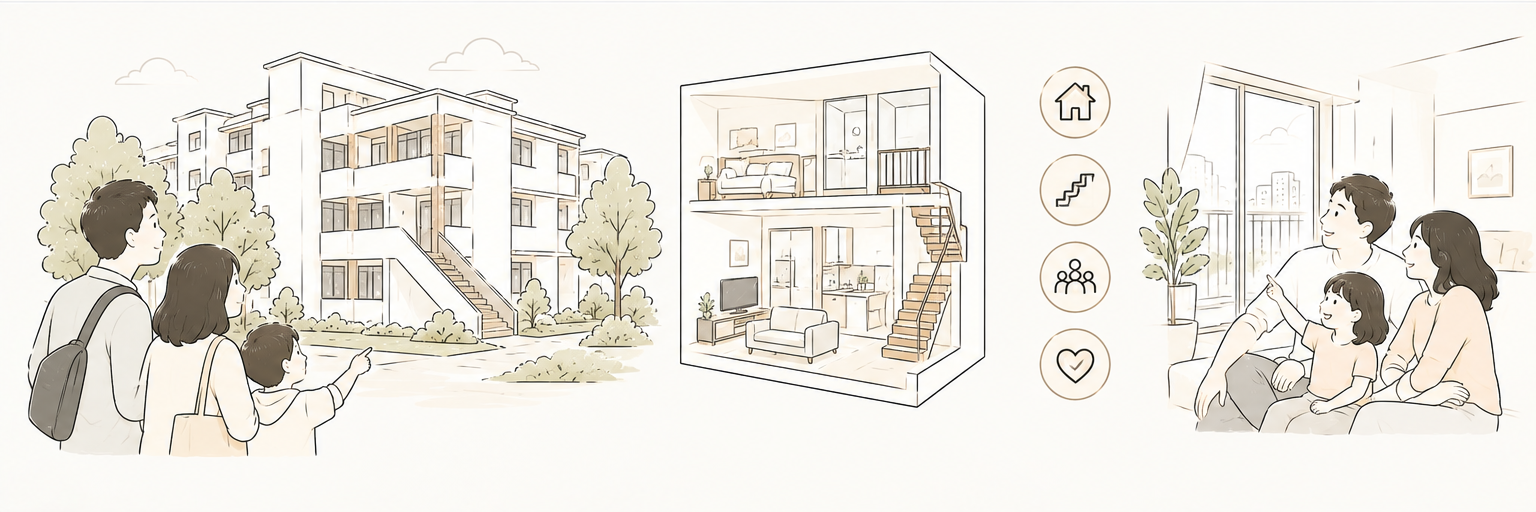
Two storeys, generous floor space and a layout unlike most HDB flats today — here’s what makes maisonettes so distinctive, and what buyers should consider before buying one.
What is an HDB Maisonette?
An HDB maisonette is a two-storey HDB flat designed to provide more space and a different style of living compared with the typical single-level flat.
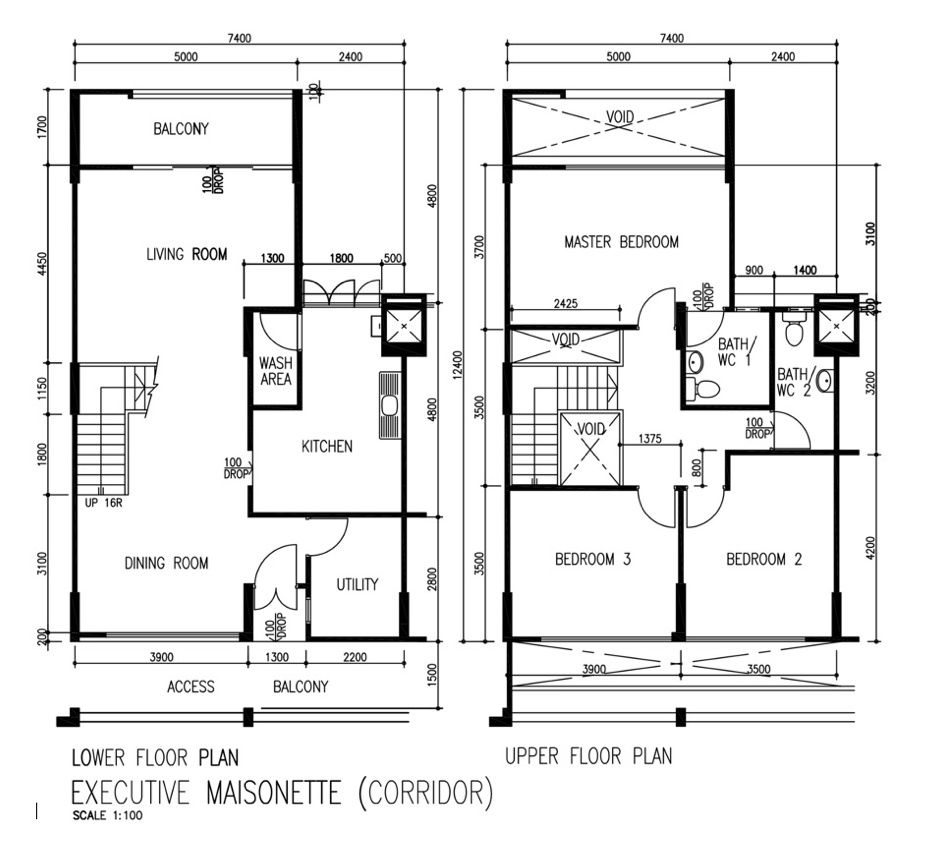
The layout is usually divided across two floors. The lower floor typically contains the communal areas — the living room, dining area, kitchen and balcony. Some layouts may also have a utility area, study or an additional bathroom. The upper floor is generally where the bedrooms are located, with the master bedroom and additional bedrooms sharing the bathrooms on this level.
This gives the maisonette something that is uncommon in today's HDB landscape: a home with a genuine separation between living and sleeping spaces.
For families, that can make the flat feel considerably more like a landed or private-home layout, even though it remains public housing.
How Big Are HDB Maisonettes?
These Maisonettes offer substantial living space across two stories, typically ranging from 1,475 sq ft to over 2,600 sq ft. Most units sit comfortably in the 1,500 to 1,600 sq ft range, making them significantly larger than a standard 5-room flat, which generally measures under 1,300 sq ft.
Why Layout Matters More Than Size
Varied Configurations: Not all maisonettes are built equal. While some feature massive, open-concept living zones, others can feel relatively compact due to structural partitions and stairwell placement.
The Double-Story Factor: Total square footage can be deceptive. A large chunk of the floor area is split between two levels, meaning the functional footprint depends entirely on how the space is distributed.
The Staircase Footprint: Keep in mind that the staircase itself consumes valuable square footage on both floors, which can reduce the actual usable living area compared to a single-level flat of the same size.
When shopping for a maisonette, never judge a unit by its total square footage alone—always evaluate the floor plan to ensure the split-level layout genuinely fits your lifestyle.
Why Were Maisonettes Built?
HDB maisonettes are unique two-storey public housing units built during an era when flat designs prioritized expansive family living. Introduced as a premium option, the earliest models emerged as 5-room Model A maisonettes before evolving into the more widely known Executive Maisonettes (EMs).
The Evolution and Rarity of Maisonettes
Spacious Legacy: Built across various estates in Singapore, these multi-level homes quickly became highly sought-after for their spacious layouts and landed-property feel.
The Transition to ECs: HDB eventually phased out the construction of maisonettes to clear the way for Executive Condominiums (ECs)—a new housing category designed for buyers bridging the gap between public and private property.
Finite Supply: Because HDB no longer builds two-storey flats, the existing supply is strictly capped, making them a rare and highly prized commodity on today's resale market.
What Makes a Maisonette Different?
1. A genuine two-storey home
The most obvious difference is the staircase. Instead of having everything on one level, the home is divided vertically.
The lower floor is generally used for living and entertaining, while the bedrooms are upstairs. For some families, this creates a clearer separation between private and communal spaces.
But it also means that stairs become part of everyday life. This is worth thinking about carefully if you are buying for elderly parents or planning to remain in the flat well into your later years.
2. More space than a typical HDB flat
Maisonettes were designed with generous floor areas, and some can feel surprisingly spacious compared with newer HDB layouts.
The additional space can be useful for:
• Larger living and dining areas
• Bigger bedrooms
• Study or work-from-home areas
• Multi-generational living
• Storage
• Flexible room configurations
For a family that values space, the appeal can be quite straightforward.
3. A layout that is difficult to replicate today
Today's HDB flats are generally single-level homes, so buyers looking specifically for a two-storey public housing layout are largely looking at the existing resale stock.
Why Are Maisonettes So Popular?
1. More Living Space
For families who want a larger home, maisonettes can offer significantly more space than a conventional HDB flat.
2. Layout
The two-storey configuration gives the home a different feel, with living areas downstairs and bedrooms upstairs.
3. Established locations
Many maisonettes are located in mature estates with established amenities, schools, transport connections and neighbourhood facilities.
4. Limited supply
HDB no longer builds new maisonettes, so buyers are purchasing from an existing pool of resale units.
This scarcity is part of their appeal — but it also means buyers should be careful about assuming that scarcity automatically makes a particular unit good value.
What Should You Watch Out For?
While a maisonette’s unique features are highly attractive, its greatest strengths also come with critical trade-offs.
If you are considering buying one, keep these four essential factors in mind:
1. The Reality of an Ageing Lease
Most maisonettes were built in the 1980s and 1990s, meaning the lease is already well into its life. A massive floor area does not reverse lease decay or potential financing restrictions.
The Fix: Never buy based on size alone. Evaluate the property using the complete formula: Price + Remaining Lease + Location + Floor Area + Unit Condition.
2. The Practicality of the Staircase
The iconic two-storey layout offers a landed-property feel, but stairs can become a major long-term mobility issue.
Family Planning: Two floors might be exciting for a young family, but climbing stairs daily can become difficult and inconvenient for elderly household members or as you age in place.
3. High Renovation and Maintenance Costs
Older flats generally require extensive overhauls rather than simple cosmetic touch-ups.
When budgeting, look past the initial asking price and factor in the cost of replacing
• Plumbing and electrical wiring
• Bathrooms and kitchen fixtures
• Flooring and windows
• Air-conditioning systems
4. Paying a Premium for Space You Might Not Need
Maisonettes command a hefty price premium, especially in mature or highly sought-after neighborhoods.
The Value Check: If your primary goal is affordability, compare the maisonette against standard flat types in the same area. A larger home is a poor investment if a significant portion of that extra space does not actively serve your household's lifestyle.
Who Might Consider a Maisonette?
A maisonette may appeal to buyers who:
• Want a larger HDB home
• Prefer a two-storey layout
• Need more space for a growing family
• Like having separate living and sleeping areas
• Want to remain in an established HDB neighbourhood
• Are willing to consider an older property
• Prefer space over having a newer flat
On the other hand, buyers with elderly family members, limited renovation budgets or a preference for single-level living may need to think more carefully about whether the layout suits them.
Final Thoughts
HDB maisonettes are a rare breed, offering a unique luxury that is increasingly difficult to find in public housing: a genuinely spacious, two-storey home. With their generous proportions, built-in privacy from separating living and sleeping zones, and prime locations in mature estates, it is easy to see why they remain highly coveted.
The Bottom Line
When evaluating a maisonette, never buy on size or scarcity value alone. Run the numbers on the remaining lease, location, renovation condition, and overall price—but most importantly, evaluate how that split-level layout aligns with your family’s lifestyle both today and a decade from now.
The visual appeal of a double-storey flat is immediate. The real question is whether that unusual blueprint makes practical sense for the life you intend to build inside it.
Let's Talk About Your Situation
If this article helped answer some of your questions but raised a few new ones, you're not alone. Every property journey is different. If you'd like to discuss your own situation or have a question after reading this article, feel free to leave me a message below.
Disclaimer: This article is for general information and educational purposes only and should not be taken as financial, legal, tax or investment advice. Information may change over time; please verify the latest requirements and seek professional advice where appropriate.