MARKET INSIGHTS
HDB Limited Edition - What Is a DBSS Flat? Understanding Singapore’s Condo-Like HDBs
Published 28 Sep 2026
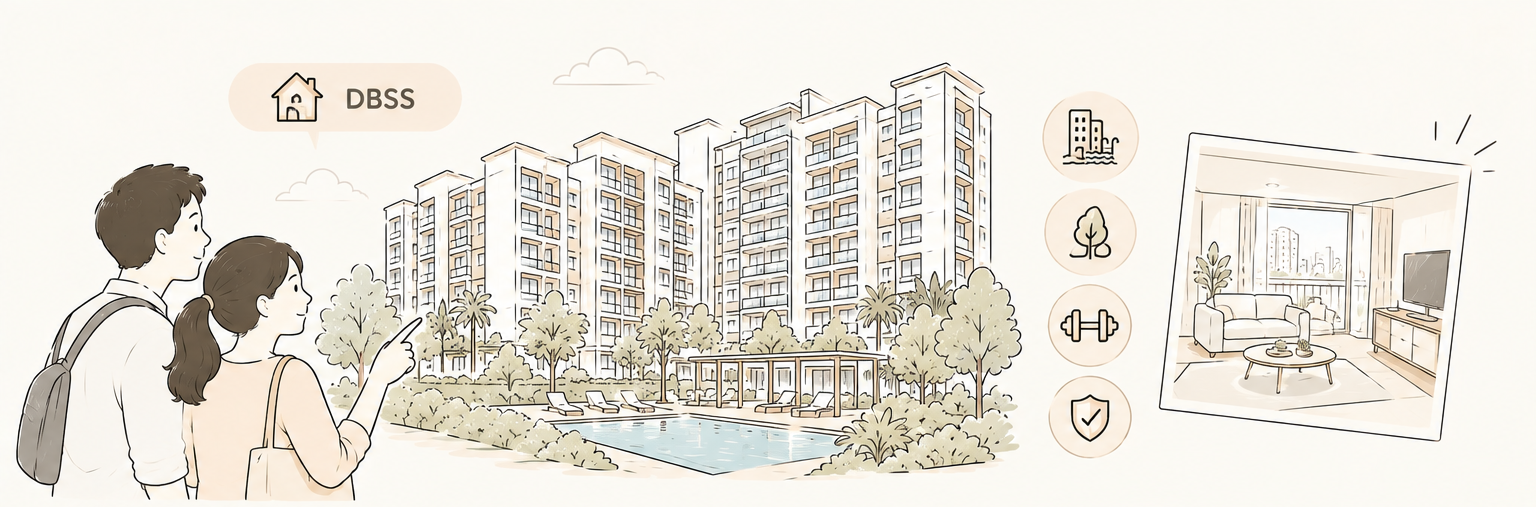
Designed by private developers but still public housing, DBSS flats occupy an unusual place between conventional HDB flats and private condominiums.
What Is a DBSS Flat?
DBSS stands for Design, Build and Sell Scheme. The scheme was introduced in 2005, allowing private developers to design, build and sell certain HDB flats under HDB's public housing framework. This gave developers more flexibility in the design, layout and appearance of the developments compared with conventional HDB projects.
The result was a type of HDB flat that could look and feel quite different from the typical public housing block.
Some DBSS developments feature elements such as:
• Balconies
• Bay windows
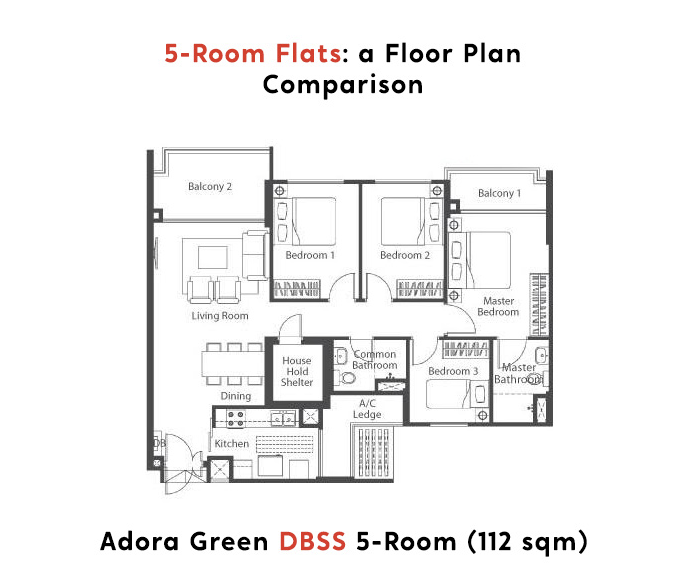
• Larger or more varied layouts
• More contemporary facades
• More spacious common areas
• Condo-like architectural details
Take Note: A DBSS flat is still an HDB flat. It does not become a private condominium simply because it was designed or built by a private developer.
How Many DBSS Developments Are There?
The DBSS scheme was relatively short-lived. It was introduced in 2005 and discontinued in 2012, resulting in a total of 13 DBSS developments.
They are:
• The Premiere @ Tampines
• City View @ Boon Keng
• Park Central @ Ang Mo Kio
• Natura Loft @ Bishan
• Parc Lumiere @ Simei
• The Peak @ Toa Payoh
• Adora Green @ Yishun
• Centrale 8 @ Tampines
• Belvia @ Bedok
• Parkland Residences @ Hougang
• Lake Vista @ Yuan Ching
• Trivelis @ Clementi
• Pasir Ris One
With no new DBSS developments being added, buyers looking for one today are looking entirely at the resale market.
How Big Are DBSS Flats?
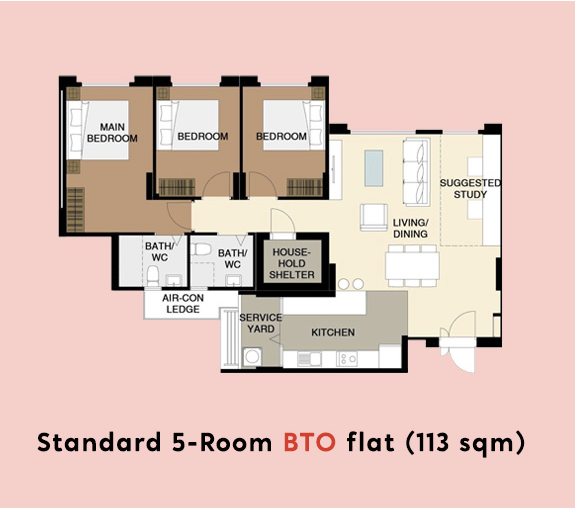
DBSS flats generally range from 60 to 115 square metres, making them comparable in size to standard HDB flats built during the same era. For DBSS units, the main appeal lies not in extra square footage, but rather in their premium architectural design, superior layouts, prime locations, and subsidized public-housing status.
Why Are DBSS Flats Popular?
1. They offer a different HDB living experience
For buyers who find conventional HDB layouts too basic, DBSS developments can offer something visually and spatially different. A balcony, larger windows or a more contemporary layout can change how the home feels without moving into private property.
2. Many are in established locations
Several DBSS developments are located in mature estates. This can give buyers access to an established network of amenities and transport connections rather than having to wait for a new town to develop.
3. Limited supply
There were only 13 DBSS developments under the scheme. Unlike ordinary HDB flats, no new DBSS projects are being added. That makes them a distinct category within the resale HDB market.
4. They sit between two familiar choices
For some buyers, DBSS can represent a middle ground: Regular HDB → DBSS → Private property
Of course, the actual ownership and financial differences between these property types can be significant. But from a lifestyle perspective, the DBSS concept was designed to offer a more distinctive public-housing environment.
What Should You Watch Out For?
Despite their premium design, DBSS flats are fundamentally public housing units and remain subject to the HDB framework.
Because they were developed by private builders, buyers often confuse them with private property. However, a DBSS flat never converts into private property, and its regulatory status does not change over time.
Crucial Distinctions for Buyers
No Route to Privatisation: Unlike Executive Condominiums (ECs), which automatically privatise after some years, a DBSS flat remains an HDB flat for its entire 99-year lease.
HDB Rules Apply: All standard public housing restrictions permanently apply, including the 5-year Minimum Occupation Period (MOP), HDB eligibility criteria for resale buyers, and ethnic quotas.
No Condo Facilities: While you pay a premium for condo-like aesthetics and balconies, DBSS developments do not have private facilities like swimming pools, gyms, or security gates.
So, What Makes a DBSS Flat Different?
DBSS flats are interesting because they sit in a very specific chapter of Singapore's housing history. They were an attempt to introduce more design flexibility into public housing, while keeping the homes within the HDB framework.
That produced developments that can look surprisingly similar to condominiums from the outside, while remaining HDB flats in terms of ownership and resale.
Final Thoughts
DBSS flats occupy a unique middle ground: they are neither ordinary HDB flats nor private condominiums. Developed under a scheme that granted private builders creative freedom, they are premium HDB homes built with a distinct design philosophy. For buyers, this translates into more distinctive layouts, condo-inspired features, and strategic placements within well-established neighborhoods.
The Bottom Line
As with any resale property, the premium label is only the starting point. If you are considering a DBSS flat, you must look beyond the striking balconies or sleek facades.
Always run the numbers on:
The Financial Blueprint: Does the price premium make sense when compared to regular resale flats in the same mature estate?
The Lifespan: How many years remain on the lease, and how will that affect your eventual exit strategy?
The Practical Fit: Does the layout actually serve your day-to-day lifestyle, or are you paying a premium for unusable balcony space?
The aesthetic appeal of a DBSS project is undeniable. The real test is ensuring that its specific location, condition, and price tag align with your long-term housing and financial plans.
Let's Talk About Your Situation
If this article helped answer some of your questions but raised a few new ones, you're not alone. Every property journey is different. If you'd like to discuss your own situation or have a question after reading this article, feel free to leave me a message below.
Disclaimer: This article is for general information and educational purposes only and should not be taken as financial, legal, tax or investment advice. Information may change over time; please verify the latest requirements and seek professional advice where appropriate.