MARKET INSIGHTS
HDB Limited Edition - HDB Terrace Houses: Singapore’s Rare Landed Public Housing
Published 30 Sep 2026
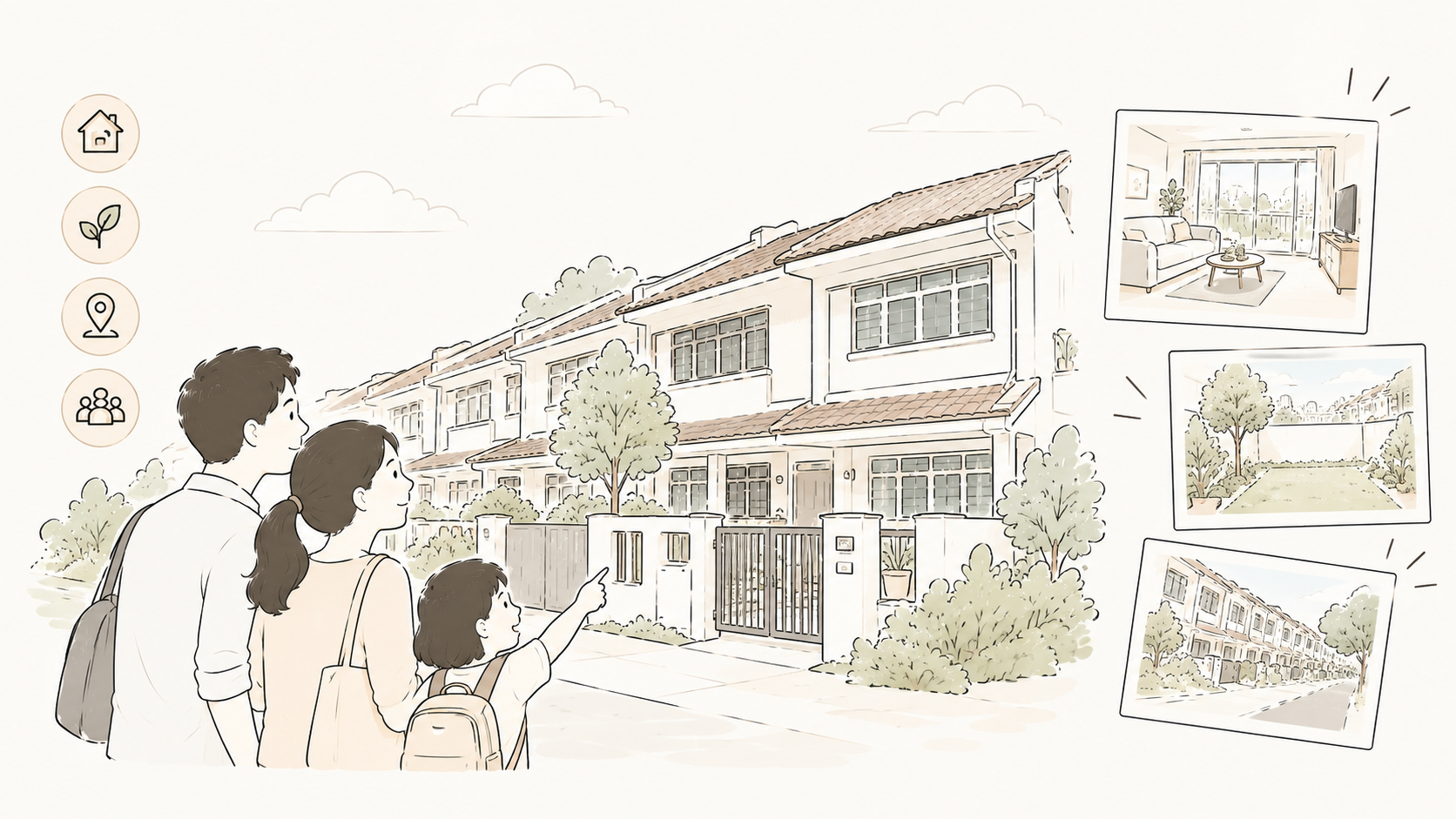
They look like landed homes, but they are HDB properties. Here’s how Singapore ended up with these rare terrace houses — and what buyers should know before considering one.
Did HDB Really Build Terrace Houses?
The story of Singapore's HDB terrace houses actually begins before HDB existed.
These homes were originally built by the Singapore Improvement Trust (SIT), the predecessor to HDB. When HDB took over public housing responsibilities in 1960, these properties became part of the public housing stock.
HDB has not continued building landed terrace houses as a regular form of public housing. That is why these homes are so unusual today.
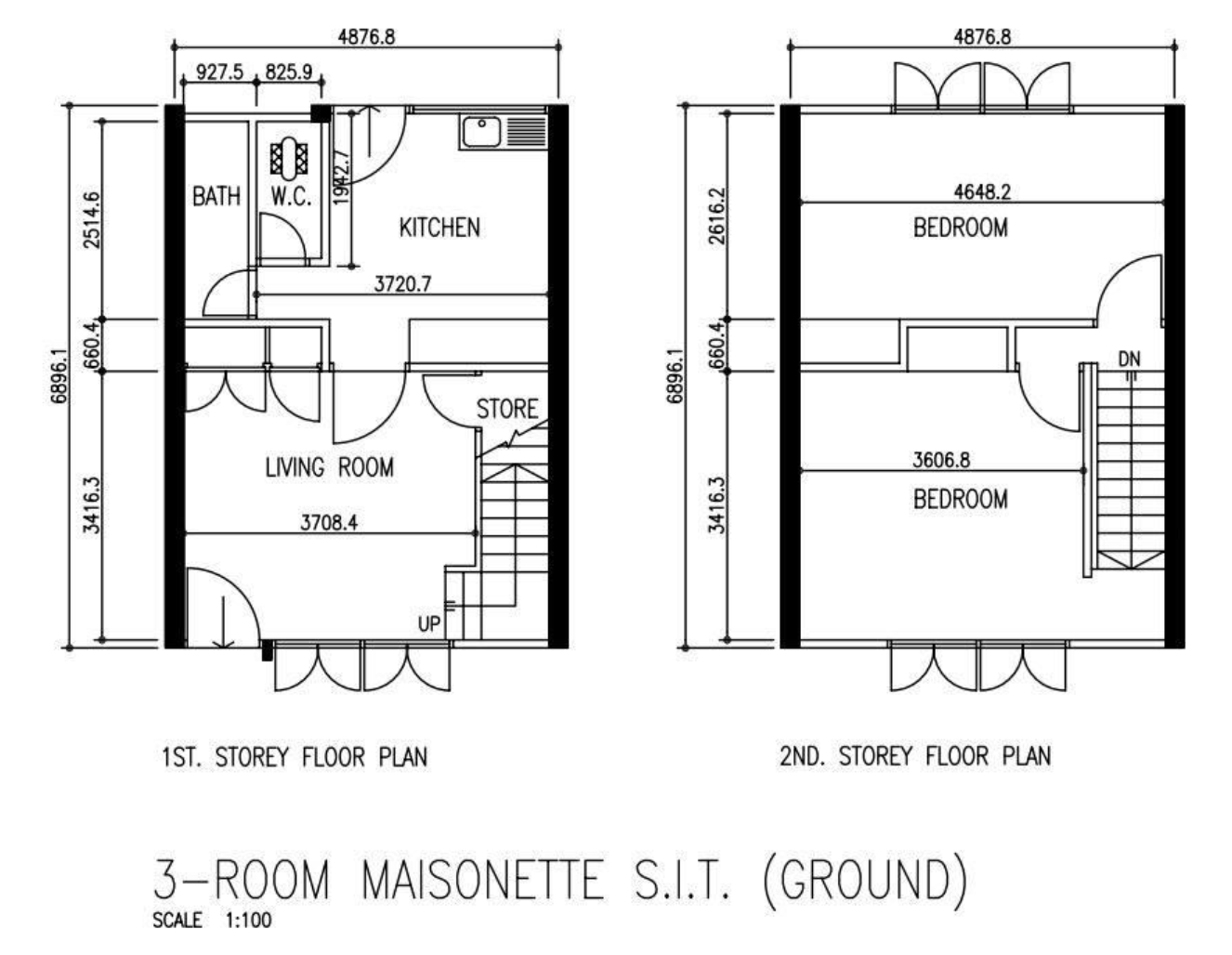
Instead of the familiar HDB tower block, you get something that looks much more like a conventional landed terrace house — typically with two storeys, its own entrance and some private outdoor space.
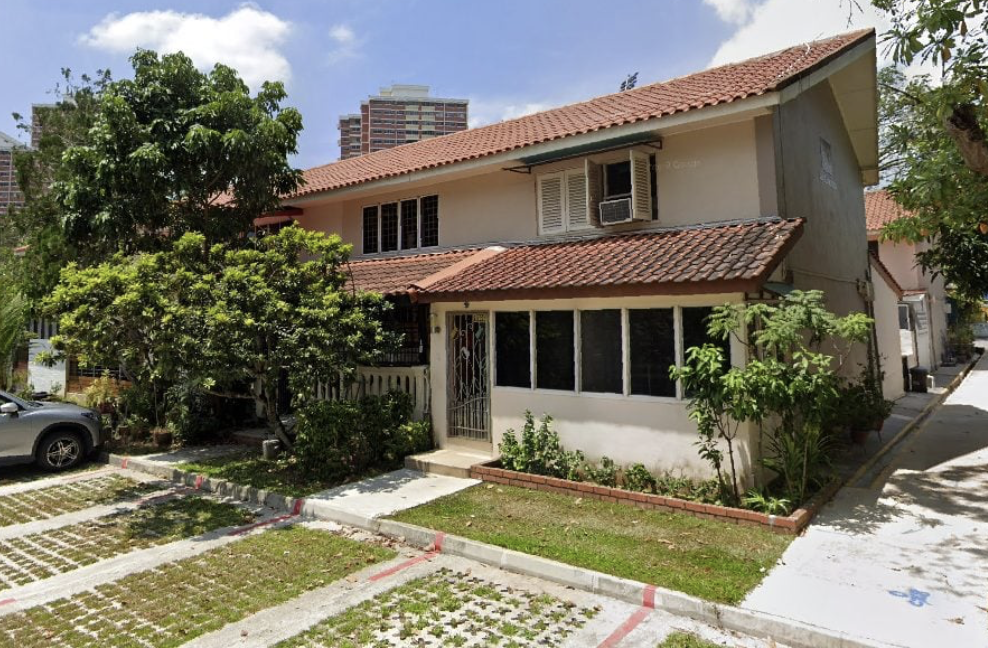
An HDB terrace house is still an HDB property, not a private landed property.
HDB terrace houses come with a 99-year lease, just like standard public housing flats in Singapore.
Where Can You Find HDB Terrace Houses?
These homes are extremely limited in number and are concentrated in just a few locations.
The main clusters are in:
• Jalan Bahagia
• Jalan Ma'mor
• Jalan Tenteram
• Stirling Road
They are located in the mature estates of Kallang/Whampoa and Queenstown. This makes the location part of the appeal. For buyers who value centrality and mature-estate amenities, that can be a significant part of the attraction.
How Many Are There?
There are only around 284–285 HDB terrace units. Most of these homes date back to the late 1960s and early 1970s, with leases beginning around 1968 or 1972.
What Do HDB Terrace Houses Look Like?
From the outside, they can be easy to mistake for private terrace houses.
The typical characteristics include:
• Two-storey living
• Individual entrances
• A private outdoor area or yard
• More space than a conventional HDB flat
• Low-rise surroundings
• A landed-home feel
Some units have also been extensively renovated over the years, creating very large and highly customised interiors.
Source material cites units ranging from around 840 sq ft to more than 3,300 sq ft, although many are considerably smaller than the largest examples. This is partly because owners have renovated or reconfigured some units over the years.
So unlike a newer HDB development where layouts are relatively standardised, the actual experience of living in one can vary considerably from house to house.
Why Do People Want an HDB Terrace House?
The appeal is fairly easy to understand.
1. You get some of the characteristics people associate with landed living:
• Your own entrance.
• Your own outdoor space.
• Two-storey living.
• A low-rise neighbourhood.
• More privacy than a typical HDB block.
And unlike a private terrace house, the price point can be significantly lower depending on the particular property and market conditions.
For someone who wants a landed-style lifestyle but does not want — or cannot afford — a private landed property, an HDB terrace house can therefore be an unusual alternative.
2. Location
These homes are concentrated in Queenstown and Kallang/Whampoa, two mature and relatively central parts of Singapore. For some buyers, the combination of landed-style living + established location may be the real attraction.
Important Consideration
1. No Private Driveway
One thing that can surprise buyers is the lack of a typical landed-home driveway.
Most HDB terrace houses do not have the kind of private car porch you would expect from a conventional terrace house. Instead, residents generally rely on shared parking facilities nearby.
This may seem like a small detail, but it can make a noticeable difference to the everyday experience.
2. The Lease
Many HDB terrace houses are already more than 50 years old.
As with other older HDB properties, the remaining lease can affect:
• Financing
• CPF usage
• The pool of potential buyers
• Future resale considerations
The impact becomes increasingly important as the lease gets shorter.
So although an HDB terrace house may look and feel like a landed home, you should not assess its long-term value in exactly the same way as a private landed property.
Don't Buy One Just Because It Is Rare
Rarity can be attractive. But it should not be the only reason you buy.
When viewing an HDB terrace house, consider:
• Location
How much of the asking price is really attributable to the Queenstown or Whampoa location?
• Remaining lease
How long do you realistically intend to stay?
• Layout
Does the existing configuration work for your family?
• Outdoor space
How much usable outdoor space do you actually have?
•Renovation
What will it cost to bring an older home up to the standard you want?
• Parking
Are you comfortable with shared parking rather than a private driveway?
• Future resale
Who is likely to buy the property from you in the future?
What About SERS?
Because these homes occupy relatively valuable land in mature estates, there has been speculation over the years about whether some could eventually be selected for the Selective En bloc Redevelopment Scheme (SERS).
But this should not be treated as a reason to buy one. SERS selection is determined by HDB, and buyers should not assume that an old or centrally located HDB property will be selected.
If a terrace house is attractive to you, it should make sense based on the home and location you are buying today, rather than on the possibility of a future redevelopment outcome.
Final Thoughts
HDB terrace houses offer an alluring and increasingly rare proposition: the coveted landed lifestyle wrapped within a public housing framework. With their distinct two-storey layouts, private entrances, exclusive outdoor garden spaces, and low-density neighborhood charm, it is easy to understand why these heritage properties command such immense appeal on the resale market.
However, buyers must look past the landed aesthetics and recognize the unique structural and legal trade-offs:
The HDB Regulatory Framework: Despite looking like a private house, the property remains tightly bound by HDB rules, meaning there is no conventional private land ownership or title deed.
Community Shared Spaces: You do not own the surrounding infrastructure; practicalities like car park lots are shared with the wider neighborhood under standard HDB parking schemes.
Advanced Lease Decay: As historical relics of Singapore's early housing history (many built by the SIT in the 1950s or HDB in the 1960s/70s), these properties carry heavily advanced leases that require strict financial evaluation regarding loan limitations and asset depreciation.
Ultimately, an HDB terrace house represents a fascinating architectural anomaly—a landed lifestyle paired with an HDB address that Singapore’s public housing landscape will likely never replicate.
Let's Talk About Your Situation
If this article helped answer some of your questions but raised a few new ones, you're not alone. Every property journey is different. If you'd like to discuss your own situation or have a question after reading this article, feel free to leave me a message below.
Disclaimer: This article is for general information and educational purposes only and should not be taken as financial, legal, tax or investment advice. Information may change over time; please verify the latest requirements and seek professional advice where appropriate.