TOP Projects
Sub-Sale Condo: Important Things to Know Before You Buy
Published 20 Sep 2026
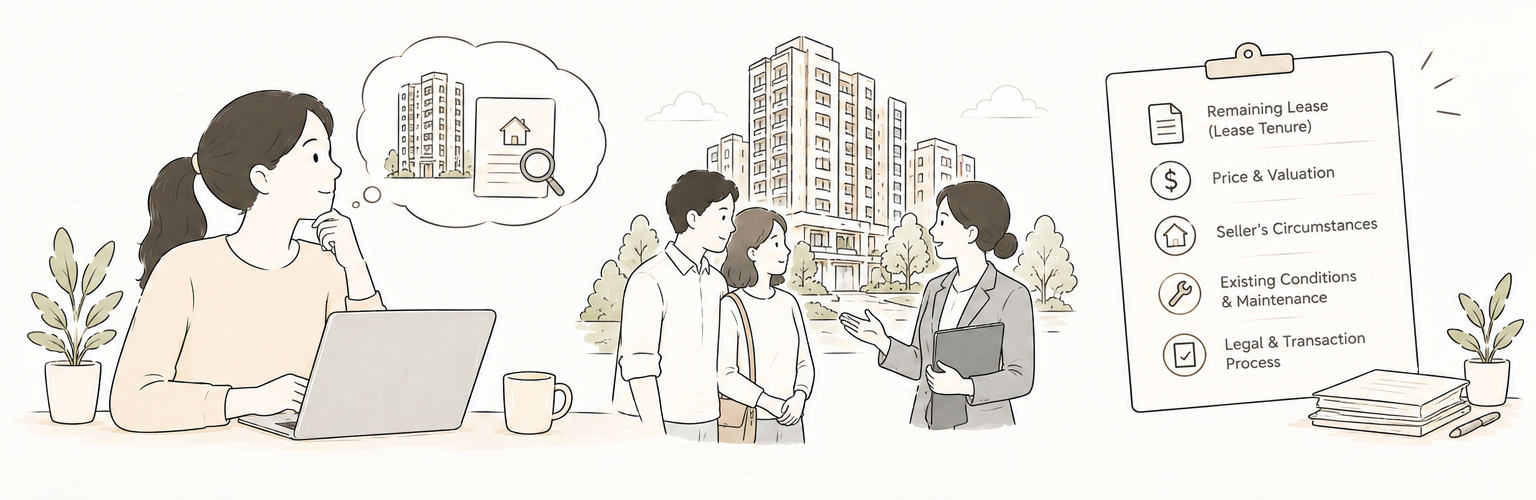
A sub-sale can give you the chance to buy into a new development closer to completion, but the transaction works differently from both a new launch and a completed resale condo.
What Is a Sub-Sale?
A sub-sale happens when the original buyer of a private property sells their contractual rights to another buyer before the development receives its Certificate of Statutory Completion (CSC).
In simple terms, the first buyer purchased the unit from the developer, but decides to sell it before the development is fully completed.
This is different from a resale, where the property has already been completed and the seller owns the completed unit.
One important point: TOP and CSC are not the same thing. A sub-sale can take place before or even after TOP, as long as the relevant CSC and title conditions have not been met.
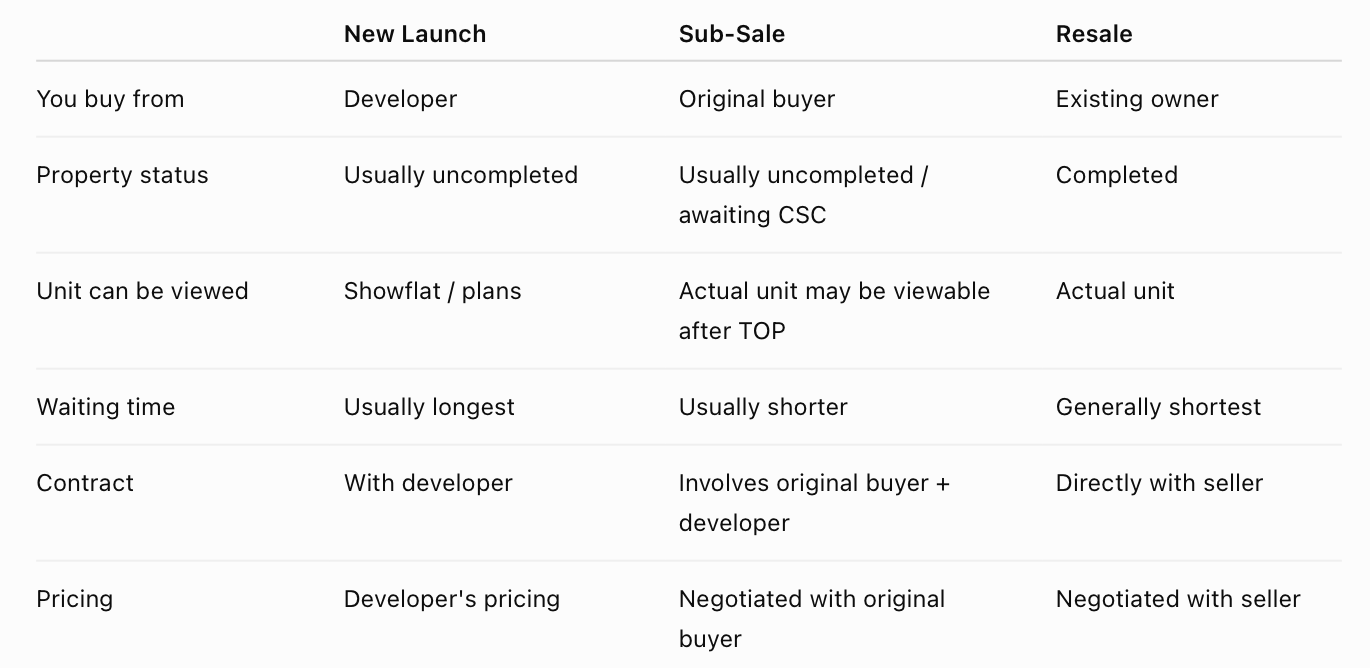
Sub-Sale vs Resale vs New Launch
Why Do Owners Sell Before TOP?
There isn't always a single reason.
1. They want to realise a gain
The property's market value may have increased since the original purchase. If the owner believes the current price is attractive enough, they may choose to sell before completion rather than continue holding.
However, a higher selling price does not automatically mean a higher profit. Transaction costs, financing costs and especially Seller's Stamp Duty (SSD) can significantly affect the final outcome.
2. Their circumstances have changed
The original buyer may no longer want or be able to proceed with the property because of changes in their finances, family plans or investment strategy.
A sub-sale can allow them to exit before taking on the full responsibilities of owning a completed property.
3. They want to redeploy their capital
Some investors may prefer to sell the unit and use the capital elsewhere rather than hold the property through TOP.
The SSD Factor
This is one of the most important things to check when considering a sub-sale.
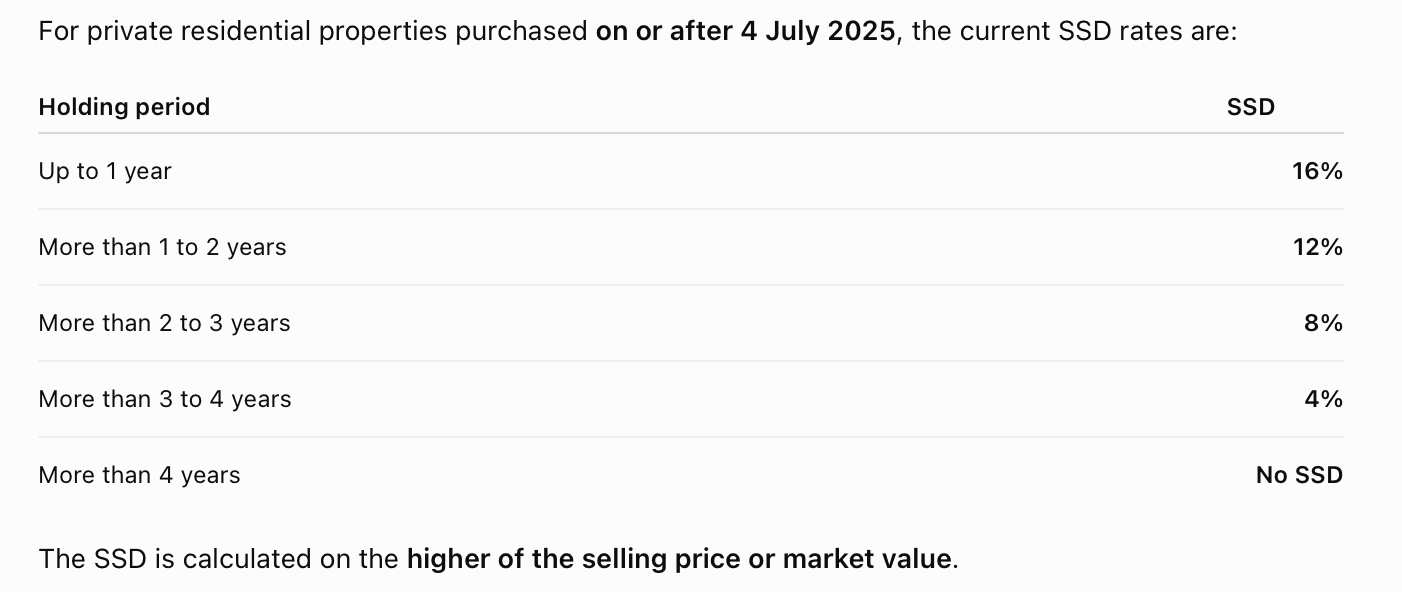
This means you should not simply look at: Selling price − original purchase price = profit
You need to consider the actual costs involved in exiting the property.
For example, if an owner bought a unit for $1.5 million and sells it for $1.75 million, the $250,000 difference is not necessarily their actual profit. SSD, stamp duties, interest, legal fees and other costs may reduce the amount significantly.
The earlier you sell, the more important the SSD calculation becomes.
What Does the Sub-Sale Buyer Actually Buy?
This is where sub-sales can be confusing.
You are not simply buying a completed property from the original owner.
Instead, the original buyer is transferring their contractual position in the development to you. The developer remains an important party to the transaction because the property has not yet received the relevant completion documentation.
The transaction therefore involves:
Original purchaser — who becomes the sub-sale seller
Sub-purchaser — the new buyer
Developer — who remains involved in the transfer
The exact documentation and process can vary, so the sale should be handled with the appropriate legal advice.
What Should You Check Before Buying a Sub-Sale?
1. Find out how much the original buyer paid
This gives you useful context when assessing the seller's asking price.
You can then compare:
• Original purchase price
• Current asking price
• Recent transactions in the project
• Comparable units in nearby developments
• Unit size and price psf
• Floor, facing and other unit-specific attributes
The original buyer's purchase price should be a reference point, not the deciding factor. A unit's current value depends on the market and its characteristics today.
2. Understand the remaining payment obligations
You should find out exactly where the original buyer is in the developer's payment schedule and what obligations will pass to you.
Don't assume that because you are buying a unit that is close to TOP, the financial commitment is the same as buying a completed resale property.
3. Check the financing
Financing for a sub-sale needs to be planned carefully. Your bank's valuation, loan eligibility and the amount you need to fund in cash or CPF can affect the overall purchase. If the agreed price is higher than the bank's valuation, you may need to fund the difference yourself.
Get your financing position checked before committing to the purchase.
4. Understand the developer's requirements
Because the original purchase was made directly from the developer, the developer will remain involved in the transaction. There may be administrative requirements, documentation and fees associated with the transfer.
Your conveyancing lawyer can advise you on the specific process for the development.
5. Check the original Sale & Purchase Agreement
This is particularly important because you are stepping into the contractual position of the original buyer. Don't rely solely on the seller's summary of what has been paid or agreed.
Have your lawyer review the relevant documents and clarify what rights and obligations you are taking over.
6. Look beyond the headline price
A sub-sale may appear attractive because the unit is almost completed.
But compare the total cost of buying the sub-sale against:
• Remaining developer units
• Other sub-sale units in the same project
• Completed resale developments nearby
• Your renovation and furnishing budget
• Expected maintenance and holding costs
A lower asking price does not necessarily mean better value if another option gives you more space, a better floor or a more established location.
One Advantage: You May Not Have to Wait as Long
This is one of the biggest attractions of a sub-sale.If the project is already close to TOP, you may be able to move into the development considerably earlier than someone buying a unit at the initial launch. And if TOP has already been obtained, you can potentially see the actual building, facilities and unit rather than relying entirely on a showflat and plans. That gives you more information before making your decision.
But Don't Assume a Sub-Sale Is Automatically Cheaper
A common assumption is that buying from an existing owner means getting a bargain. Not necessarily.
• The original buyer may be asking for a premium because:
• The project has appreciated
• The unit has a desirable facing or floor
• The developer has sold most of its inventory
• The project is close to TOP
• The particular unit type is in demand
At the same time, the developer may still have unsold units and could be offering incentives.
Sub-Sale vs Waiting Until TOP
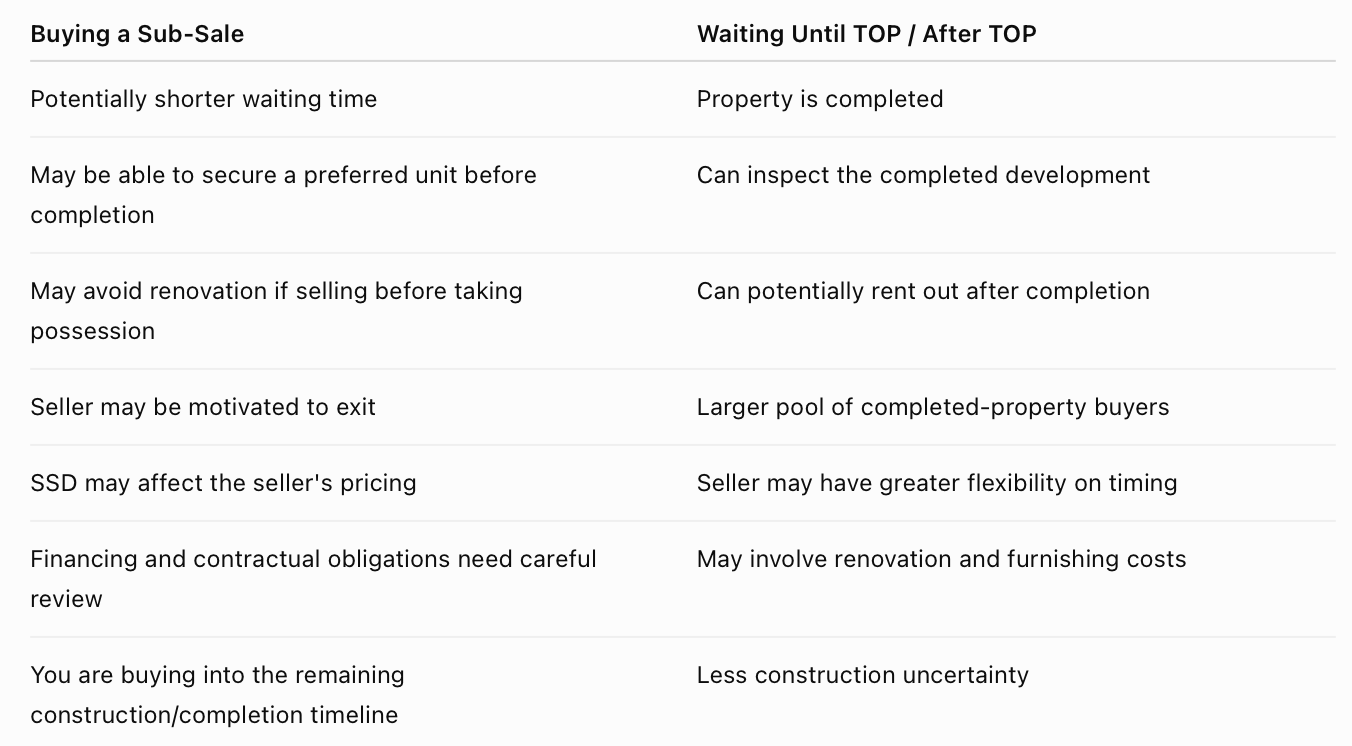
Neither route is automatically better. The circumstances of the particular project and unit matter.
A Sub-Sale Isn't Just About Timing
If you're looking at a sub-sale, there are really three numbers worth understanding:
What the seller paid → What you're paying → What the unit is worth today
Then add the costs that sit around those numbers. This helps you distinguish between a genuine opportunity and a unit that simply looks attractive because it is being marketed as a "sub-sale."
Final Thoughts
A sub-sale can be an interesting middle ground between a new launch and a resale condo. You may get a newer development, a shorter wait and more visibility of the actual project — but the transaction comes with its own financing, contractual and tax considerations.
The key is not simply whether a property is a sub-sale. It's whether the price, unit, remaining timeline and overall costs make sense for you.
Before committing, look beyond the seller's asking price and work out what you're actually paying, what you're taking over, and what alternatives you have.
Let's Talk About Your Situation
If this article helped answer some of your questions but raised a few new ones, you're not alone. Every property journey is different. If you'd like to discuss your own situation or have a question after reading this article, feel free to leave me a message below.
Disclaimer: This article is for general information and educational purposes only and should not be taken as financial, legal, tax or investment advice. Information may change over time; please verify the latest requirements and seek professional advice where appropriate.